sales@scjumbrellas.com
86-17814603169

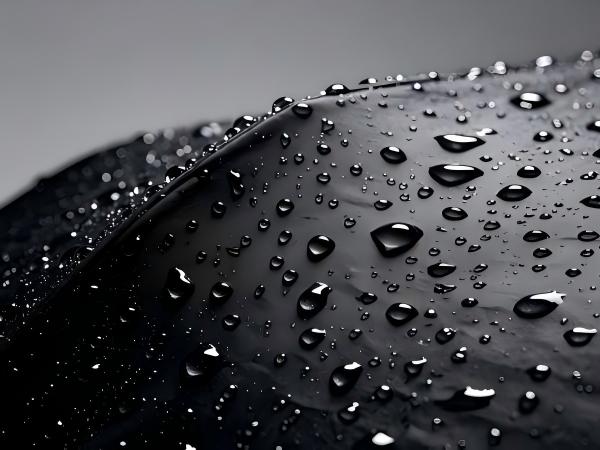
When choosing an umbrella, the frame and opening mechanism are important, but the umbrella fabric is equally important. The canopy material directly affects how an umbrella looks, feels, repels water, blocks sunlight, dries after rain, and performs during everyday use.
Different umbrellas also require different fabrics.
A lightweight folding umbrella may need a thin and compact canopy material, while a golf umbrella may prioritize durability and water resistance. A sun umbrella may require a specialized UV-blocking coating, while a promotional umbrella may focus on color, printing quality, and cost.
For retailers, wholesalers, promotional companies, and private-label brands, understanding the different types of umbrella fabrics can make it much easier to select the right material for a custom umbrella project.
In this guide, we explain the most common umbrella canopy materials, including pongee, polyester, nylon, black coating fabrics, silver coating fabrics, and transparent materials, as well as important specifications such as fabric density, waterproofing, UV protection, and printing.
Umbrella fabric refers to the material used to make the umbrella canopy.
The canopy is stretched over the umbrella ribs and creates the protective surface above the user.
An umbrella canopy needs to meet several practical requirements. Depending on the application, the fabric may need to be:
Lightweight
Water resistant
Quick drying
Flexible
Easy to fold
Colorfast
Suitable for printing
Resistant to sunlight
Capable of providing UV protection
No single umbrella fabric is best for every product.
The right choice depends on whether the umbrella is designed for rain, sun protection, travel, golf, business gifts, promotional campaigns, outdoor use, or retail.
Pongee fabric is one of the most commonly used materials for modern umbrellas, particularly mid-range and premium products.
Most umbrella pongee used today is made from polyester fibers and woven to create a smooth, relatively dense fabric.
It has a softer and more refined feel than many basic polyester umbrella fabrics, which is one reason it is frequently used for better-quality umbrellas.
Pongee is commonly found in:
Folding umbrellas
Automatic umbrellas
Golf umbrellas
Business umbrellas
Reverse umbrellas
Promotional umbrellas
Premium gift umbrellas
Depending on its construction and finishing, pongee can offer:
Good Water Resistance
With an appropriate water-repellent treatment, rainwater beads on the canopy and can be shaken off relatively easily.
Soft Hand Feel
Pongee generally has a smoother, more refined feel than basic entry-level umbrella fabrics.
Good Folding Performance
The fabric can be folded relatively neatly, making it suitable for three-fold and other compact umbrella designs.
Good Printing Potential
Pongee can be used for logo printing and customized canopy designs.
Premium Appearance
Its surface texture makes it popular for corporate gifts and higher-value retail umbrellas.
For a custom business umbrella or premium promotional umbrella, pongee is often an excellent material to consider.
Polyester is another extremely common umbrella canopy material.
It is widely available, practical, and can be produced in many different colors, weights, textures, and finishes.
Polyester umbrella fabric is frequently used in:
Promotional umbrellas
Folding umbrellas
Straight umbrellas
Advertising umbrellas
Gift umbrellas
Golf umbrellas
Children's umbrellas
One of the biggest advantages of polyester is versatility.
Manufacturers can adjust the fabric construction and finishing according to the target price and application.
Polyester also accepts many colors and printing methods, making it particularly useful for custom logo umbrellas and promotional umbrellas.
Buyers sometimes ask:
Is pongee better than polyester?
This question can be misleading because many pongee fabrics used for umbrellas are themselves made from polyester fibers.
The distinction usually refers more to the weave, texture, density, and finishing than simply to the fiber type.
A standard polyester umbrella fabric may be economical and suitable for mass-market promotions.
A higher-quality pongee construction may offer a softer hand feel and more premium appearance.
Therefore, buyers should compare the actual fabric specification rather than relying only on the word "polyester."
Nylon has historically been widely used for umbrella canopies and remains available for certain applications.
Nylon can provide a lightweight and flexible canopy with good strength.
Potential advantages include:
Lightweight construction
Good flexibility
Good tensile strength
Smooth appearance
Suitability for compact designs
However, polyester and pongee have become very common choices in modern umbrella manufacturing because of their overall balance of cost, appearance, dimensional stability, and processing options.
Whether nylon or polyester is more appropriate depends on the exact product design and performance requirements.
For sun umbrellas and UV protection umbrellas, the canopy may include an additional coating designed to reduce sunlight transmission.
One of the most popular options is black coating umbrella fabric.
A black coating is typically applied to one side of the canopy material to improve light blocking and sun protection.
Black coating fabrics are commonly used for:
UV protection umbrellas
Sun umbrellas
Mini sun umbrellas
Five-fold umbrellas
Travel umbrellas
Women's umbrellas
Summer promotional umbrellas
The dark coating can help reduce the amount of sunlight passing through the canopy.
Depending on the fabric and coating system, it may also contribute to improved UV protection.
This makes black coating particularly attractive for consumers who use umbrellas primarily for summer sun protection rather than only for rain.
No.
This is important for both consumers and B2B buyers.
A black coating may improve light blocking and UV protection, but an umbrella should not automatically be described as UPF 50+ unless the finished canopy material has appropriate test results supporting that claim.
For custom sun umbrella projects, buyers should request relevant UV or UPF testing when a specific protection rating is required.
Silver coating is another canopy treatment commonly associated with sun umbrellas.
A reflective silver-colored coating can help reduce solar radiation reaching the user underneath the umbrella.
Silver-coated umbrellas have traditionally been popular in many sun-protection markets.
Potential benefits include:
Sun blocking
Reflective appearance
UV protection depending on construction
Distinctive visual effect
However, black coating has become particularly popular for modern fashion-oriented and compact sun umbrellas because of its clean appearance and strong light-blocking characteristics.
The choice between black and silver coating depends on the desired performance, appearance, market positioning, and cost.
Not every umbrella uses woven textile fabric.
Transparent umbrellas are commonly manufactured from clear or semi-transparent polymer materials.
These umbrellas are particularly popular in:
Fashion collections
Wedding umbrellas
Children's umbrellas
Dome umbrellas
Promotional products
Photography
Retail lifestyle collections
Transparent canopy materials allow users to see through the umbrella while remaining protected from rain.
This is especially useful for dome-shaped umbrellas, where the canopy may extend lower around the user's head and shoulders.
When sourcing transparent umbrellas, buyers should consider clarity, flexibility, odor, cold-temperature performance, printing compatibility, and applicable material requirements for the destination market.
When reviewing umbrella specifications, buyers may encounter terms such as:
170T
190T
210T
300T
The "T" generally refers to thread count or fabric density, describing the approximate number of threads within a specified area according to the fabric specification.
In general, a higher T number indicates a denser fabric construction, but this number alone does not determine overall quality.
For example, fabric performance also depends on:
Fiber type
Yarn size
Weave structure
Fabric weight
Coating
Water-repellent treatment
Finishing quality
Therefore:
Higher thread count does not automatically mean a better umbrella.
The fabric specification should be evaluated together with the intended application.
The terms waterproof and water-repellent are often used interchangeably in marketing, but they do not always mean exactly the same thing.
Most everyday umbrella canopies are designed to prevent rain from passing through during normal use and may use water-repellent finishing to encourage droplets to bead and roll off the surface.
A good water-repellent finish can also help the umbrella dry more quickly after rain.
When evaluating umbrella fabric, useful questions include:
Does water bead on the surface?
How quickly does the canopy dry?
Does the treatment remain effective after repeated use?
Are seams and stitched areas properly constructed?
Is a specific waterproof test required?
For B2B buyers, clearly defining the expected performance is more useful than relying only on a general "waterproof" claim.
Quick-dry umbrellas have become popular for commuters and travelers.
The concept is simple: after rain, users want to shake off as much water as possible before putting the umbrella into a bag, vehicle, or umbrella sleeve.
Quick drying depends on several factors, including:
Fabric construction
Surface treatment
Water repellency
Fabric thickness
Coating
Canopy design
Pongee with a suitable water-repellent finish is commonly used for umbrellas marketed around quick-drying performance.
For business gifts, a quick-dry feature can also increase the perceived usefulness of the product.
For a folding umbrella, the canopy must be able to collapse into a relatively small package.
The fabric therefore needs to provide a good balance between:
Thinness + Flexibility + Water Resistance + Durability
Pongee and polyester fabrics are commonly used.
For standard three-fold umbrellas, pongee can provide a good combination of appearance and performance.
For extremely compact five-fold or mini umbrellas, thinner fabrics may be selected to help reduce folded volume.
If the umbrella is designed primarily for sun protection, black coating may be added.
The best fabric therefore depends on the folding structure and intended application.
Golf umbrellas have much larger canopies than typical folding umbrellas.
As a result, the canopy material should balance durability, weight, water resistance, and appearance.
Pongee and polyester are both commonly used.
For a custom golf umbrella, printing performance is also important because the large canopy provides substantial branding space.
Corporate logos, event graphics, sponsor names, and other promotional artwork can be printed across individual panels.
For a promotional umbrella, the "best" fabric depends heavily on the project budget and desired brand positioning.
For high-volume campaigns, polyester can provide a practical balance of:
Cost
Color selection
Printing
Availability
Performance
For more premium corporate gifts, pongee may provide a more refined appearance and hand feel.
The choice should also consider how the logo will be applied.
A beautiful umbrella fabric is not useful for a promotional campaign if the selected printing method cannot reproduce the required logo accurately.
One of the biggest advantages of umbrellas as promotional products is the large canopy area available for branding.
Depending on the fabric, artwork, quantity, and manufacturing process, customization methods may include:
Screen printing
Heat-transfer printing
Digital printing
Full-panel printing
Repeated logo patterns
Custom all-over graphics
Screen printing is widely used for simple logos and promotional umbrellas.
It is particularly suitable for designs with a limited number of colors.
Heat-transfer processes can be useful for more detailed graphics depending on the canopy material and production requirements.
For complex patterns, photographic images, gradients, or highly customized retail designs, digital printing may be considered.
The correct printing method should be selected according to:
Fabric + Artwork + Quantity + Color Requirements + Budget
When selecting an umbrella canopy material, start with the intended application.
| Application | Common Fabric Consideration |
|---|---|
| Everyday folding umbrella | Pongee / Polyester |
| Premium business umbrella | Pongee |
| Promotional umbrella | Polyester / Pongee |
| Golf umbrella | Pongee / Polyester |
| Mini pocket umbrella | Lightweight compact fabric |
| UV protection umbrella | Black coating or tested UV fabric |
| Sun umbrella | Black or silver coating |
| Kids' umbrella | Polyester or suitable transparent material |
| Fashion umbrella | Pongee / Printed fabric / Transparent material |
| Custom retail umbrella | Depends on design and brand positioning |
There is no universal "best umbrella fabric."
A premium pongee canopy may be unnecessary for a cost-sensitive mass promotional campaign, while an entry-level polyester fabric may not provide the desired feel for a luxury corporate gift.
When requesting a quotation for custom or wholesale umbrellas, consider asking the supplier:
What is the canopy material?
Is it pongee, polyester, nylon, or another material?
What is the fabric density or specification?
Does it have a water-repellent treatment?
Is there a black or silver coating?
Is UV or UPF testing available?
What printing methods can be used?
Can the canopy color be customized?
Can Pantone colors be matched?
Is full-panel printing available?
What testing is available for the destination market?
These questions help buyers compare products based on actual specifications rather than photographs alone.
For a general-purpose umbrella, pongee or polyester can both be appropriate choices.
Choose pongee when a softer feel and more premium presentation are priorities.
Choose standard polyester when versatility, customization, and cost efficiency are important.
Choose a black coating fabric when sun blocking and UV protection are major product requirements.
Choose a lightweight fabric when developing a mini or five-fold pocket umbrella.
Choose a transparent canopy material when appearance and visibility are central to the design.
Most importantly, remember that umbrella performance is determined by the complete product.
The canopy should be considered together with the:
Fabric + Coating + Frame + Ribs + Shaft + Opening Mechanism + Handle
A good umbrella results from the correct combination of all these components.
Choosing the right umbrella canopy material is an important part of developing a successful custom umbrella.
Different fabrics can be selected according to the required appearance, water resistance, UV protection, weight, printing method, price level, and target market.
We offer custom umbrella solutions for folding umbrellas, straight umbrellas, golf umbrellas, reverse umbrellas, sun umbrellas, kids' umbrellas, promotional umbrellas, and business gift umbrellas.
Customization options can include canopy fabrics, colors, black coating, patterns, logo printing, handles, umbrella sleeves, labels, gift boxes, retail packaging, and private-label branding.
Whether you are developing a promotional umbrella, UV protection sun umbrella, premium corporate gift, or private-label retail collection, selecting the correct canopy fabric is an important first step.
Contact us with your umbrella type, target quantity, preferred fabric, colors, logo, printing requirements, packaging, and destination market to discuss a customized umbrella solution.
Contact: Cassie
Phone: 86-17814603169
E-mail: sales@scjumbrellas.com
Whatsapp:86-17814603169
Add: Umbrella Industrial Park Dancheng County, Zhoukou City Henan Province 477150 China